What happened Selar grew to about ₦100 million in transaction volume by 2020 without early VC funding.
Why it matters It shows builders that focusing on customers and cash flow can drive growth before raising money.
What to do Validate demand early, monitor cash flow closely, and raise capital only when it solves a specific need.
Learn from Selar’s Journey
Raising startup funding in Nigeria can feel like an important step towards success for many startup founders. Funding provides resources to hire a team, improve products, reach more customers and compete with established businesses.
But what happens when a founder chooses to build the business before seeking investors?
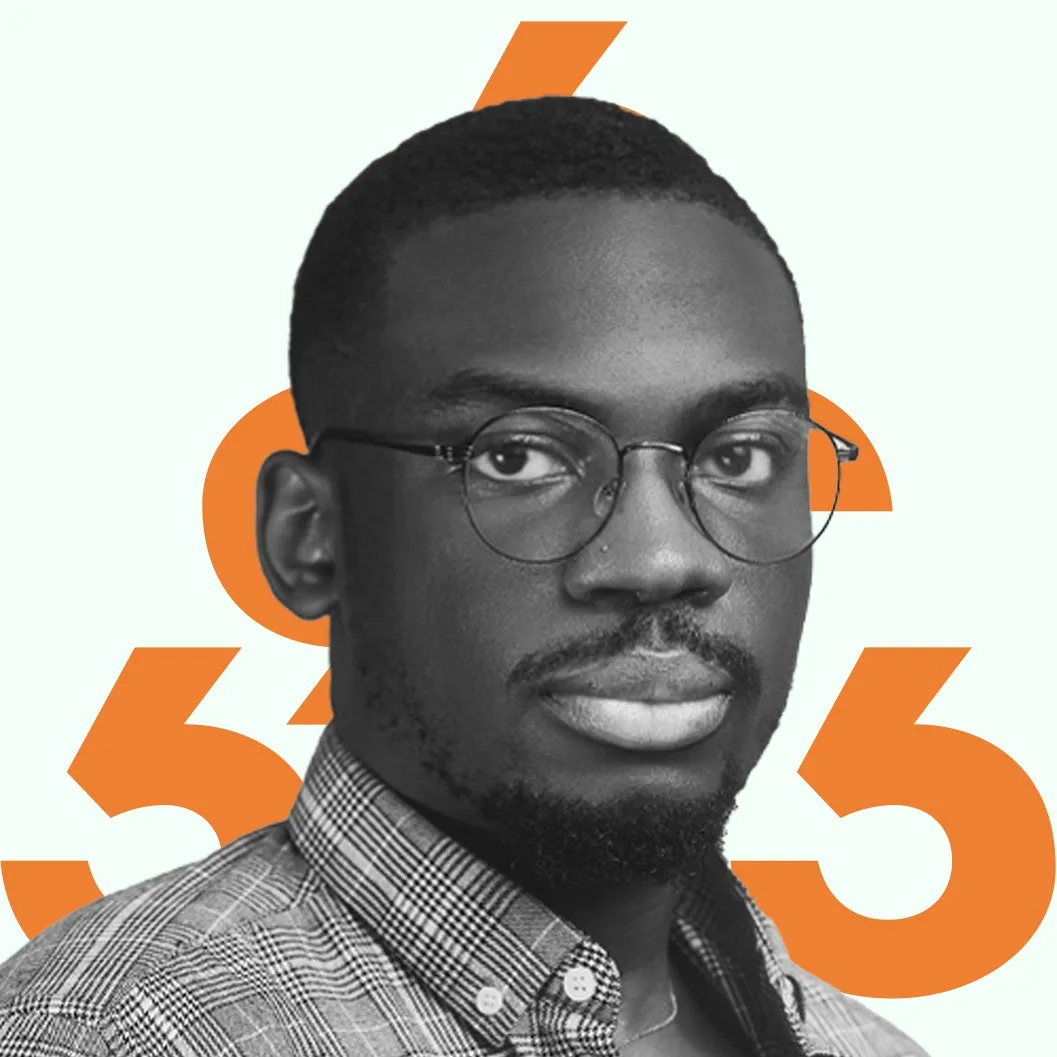
Douglas Kendyson, founder and CEO of Selar, offers an interesting example. His journey shows that while external funding can accelerate growth, understanding customers, managing expenses and developing a product people are willing to pay for are equally important.
From a Side Project to a Business
Founded in 2016, Selar is a digital commerce platform that enables creators to sell products such as e‑books, online courses and other digital resources. Kendyson developed the idea after recognising the need for an easier way to sell digital products online.
At the time, he was working at Paystack, the Nigerian payments company. He began building Selar with friends while maintaining his regular job. Progress was slow, however, and some members of the original team eventually moved on.
Kendyson continued working on the platform, improving its features and reaching out to creators who could benefit from it.
In a 2023 interview with PiggyVest, he discussed Selar’s growth in transaction volume from approximately ₦3 million in 2018 to ₦100 million in 2020. This progress helped him decide to leave paid employment and focus on the business full‑time.
DailySelar logo, representing the digital commerce platform that enables creators to sell e-books, online courses and other digital products.
His experience shows that persistence can pay off when it is supported by evidence of genuine customer demand.
Do this week
Talk to ten customers about their biggest pain points
Although Kendyson considered raising investment, he chose to focus on building Selar’s traction first.
In a 2024 interview with CIO Africa, he explained that the business had become profitable by 2022. Operating without conventional venture capital also gave him greater independence in making business decisions.
However, this approach came with challenges. Without the substantial budgets available to some investor‑backed startups, Selar faced difficulties recruiting skilled workers and funding areas such as marketing and product development.
The business relied on paying customers, Kendyson’s technical experience, personal savings and an earlier grant from the Tony Elumelu Foundation.
This shows that building without venture capital does not mean operating without financial support or risk.
For founders, the important question is not simply whether to raise money. It is whether external funding is necessary and how it would help the business achieve its goals.
Customer Needs Matter More Than Competition
Selar’s growth also highlights the importance of understanding customers and improving the product to meet their needs.
Kendyson told TechCabal in 2025 that the platform initially grew largely through its product and word‑of‑mouth recommendations, with paid advertising introduced later.
This offers a useful lesson for early‑stage businesses. Rather than focusing entirely on competitors, founders should understand what their customers need and how their products can solve specific problems.
A fashion entrepreneur, for instance, could investigate why customers complain about or return certain products. A software founder might discover that users struggle with a particular feature or find a task unnecessarily complicated.
The value of customer feedback lies in what a business does with it. Listening is important, but making meaningful improvements is what helps build customer trust and loyalty.
Keeping Costs Low Is Not Enough
Selar’s experience also highlights the importance of financial discipline. When a business manages its expenses carefully, it has more room to handle difficult periods and invest in improvements.
However, spending less should not come at the expense of essential business needs. Skilled employees, reliable technology, customer support and effective marketing can all contribute to growth.
The goal is to spend wisely, not simply to spend as little as possible.
Founders must also recognise that growth takes time. Selar operated for several years before experiencing significant growth. It is therefore important for entrepreneurs to assess whether their businesses need more time to develop or whether their ideas are failing to attract sufficient demand.
Making that distinction requires evidence rather than optimism alone.
What Other African Founders Can Learn
Selar’s journey offers five practical lessons for entrepreneurs:
Start with a real problem. Identify a need that people recognise and are willing to pay to solve.
Test before expanding. Use feedback from early customers to improve your product before committing heavily to growth.
Understand your numbers. Monitor revenue, expenses, cash flow and the cost of acquiring customers.
Choose funding deliberately. Consider whether investment is necessary, what it would help you achieve and what obligations it might introduce.
Stay flexible. Persistence matters, but founders must also be willing to change their approach when the evidence shows that something is not working.
However, some businesses require substantial upfront investment to develop technology, manufacture products or reach customers. In such cases, external funding may be essential.
Ultimately, funding should be a business decision based on actual needs, not a measure of personal achievement.
Build for the Customer, Not Just for the Pitch
Douglas Kendyson’s experience with Selar challenges the idea that every promising startup must immediately pursue investors. His journey highlights how a useful product, customer trust and a sustainable business model can provide a strong foundation for growth.
For African founders working with limited resources, the starting point is simple: before asking how much money a business can raise, consider what it has built, who needs it and why customers would continue paying for it.
DailyAn African entrepreneur using a laptop to manage an online business, illustrating the importance of building customer relationships and managing business operat
“Investment can help a business grow, but founders must first understand what makes that business worth growing.”
Talk to someone who’s done this
Book a 1:1 call with an expert who has solved this before.